
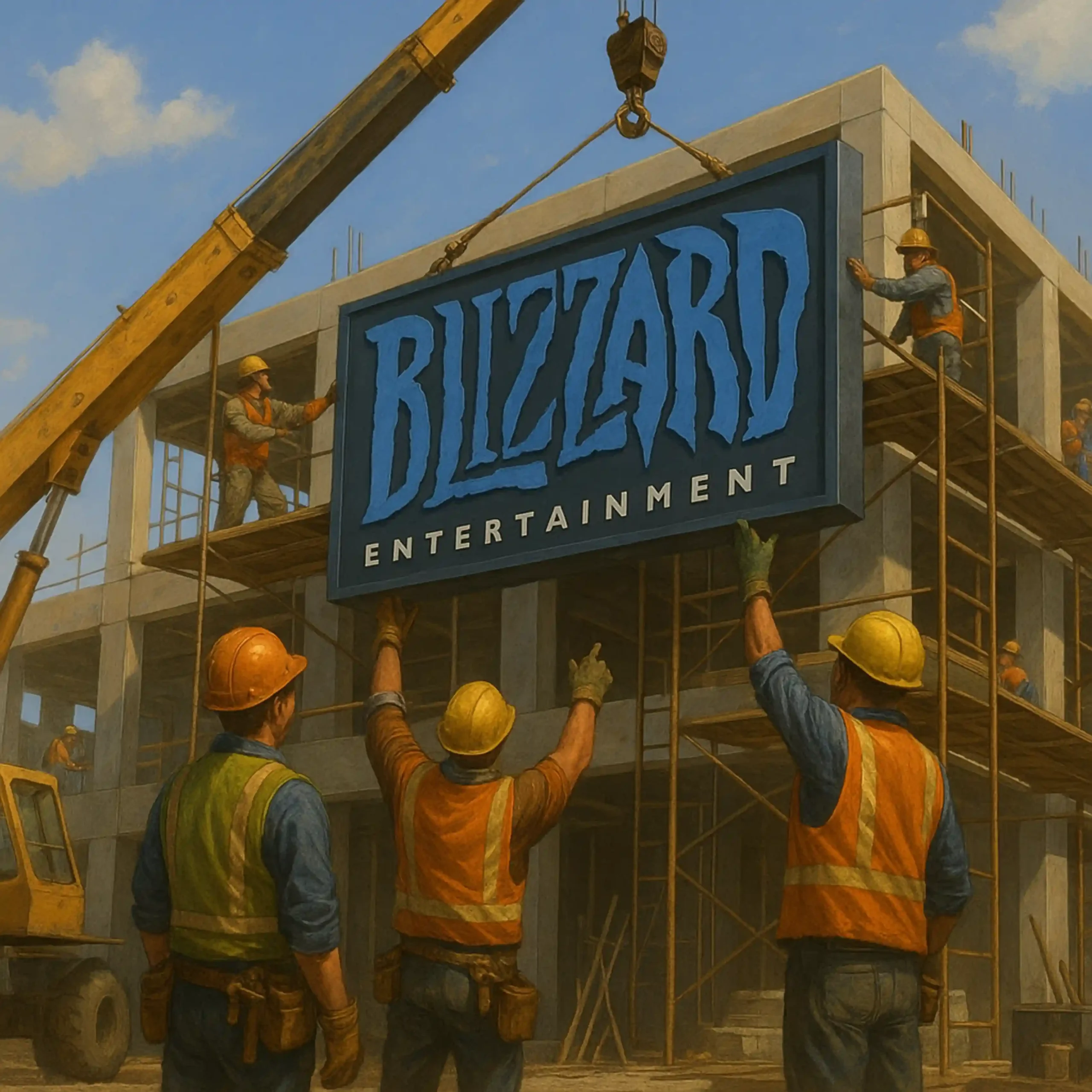
Nastanak Blizzard Entertainmenta
Priča o World of Warcraftu počinje osnivanjem kompanije Blizzard Entertainment 1991. godine. Studio je prvobitno nosio naziv Silicon & Synapse, a osnovala su ga tri diplomca UCLA univerziteta — Allen Adham, Michael Morhaime i Frank Pearce — koje je povezivala zajednička strast prema video-igrama.
Nakon što su objavili nekoliko uspešnih igara preko različitih izdavača, kompanija je 1994. godine promenila ime u Blizzard Entertainment. Time je postavljena osnova za neke od najpoznatijih franšiza u istoriji gejminga, uključujući Warcraft, Diablo i StarCraft.
Put ka MMO igri
Warcraft univerzum debitovao je 1994. godine sa igrom Warcraft: Orcs & Humans, nakon koje su stigli veoma uspešni Warcraft II i Warcraft III.
Bogata priča, strateški gejmplej i sve veći fantastični svet privukli su milione igrača i stvorili izuzetno posvećenu zajednicu. Blizzard je u tome video priliku da Warcraft svet proširi izvan granica strategija u realnom vremenu i pretvori ga u živ, otvoren onlajn svet.
Inspirisan sve većom popularnošću ranih MMORPG igara kao što su EverQuest i Ultima Online, Blizzard je 1999. godine započeo razvoj World of Warcrafta.
Cilj je bio izuzetno ambiciozan: napraviti trajni onlajn univerzum smešten u Azeroth, u kojem milioni igrača mogu zajedno da istražuju, bore se i stvaraju sopstvene priče.
Lansiranje Vanilla WoW-a 2004. godine
Nakon gotovo pet godina razvoja, World of Warcraft objavljen je 23. novembra 2004. godine, na desetu godišnjicu Warcraft franšize.
Originalna verzija igre, danas poznata kao Vanilla WoW, bila je revolucionarna. Kombinovala je bogatu priču, zanimljive questove, ogromne raidove i društvenu interakciju na način kakav do tada gotovo nijedna igra nije ponudila.
Uspeh je bio trenutni i ogroman. Serveri su bili preplavljeni igračima, a broj pretplatnika ubrzano je rastao. WoW je vrlo brzo postao najpopularniji MMORPG na svetu i značajno promenio gejming industriju.
Uspon ekspanzija i vrhunac popularnosti
- The Burning Crusade (2007)
- Wrath of the Lich King (2008) — često se navodi kao jedna od najpopularnijih i najomiljenijih WoW ekspanzija
- Cataclysm (2010)
- Mists of Pandaria (2012)
- Warlords of Draenor (2014)
- Legion (2016)
- Battle for Azeroth (2018)
- Shadowlands (2020)
- Dragonflight (2022)
Vizionari iza igre
- Chris Metzen — jedna od glavnih kreativnih figura iza priče i lore-a Warcraft univerzuma.
- Rob Pardo — vodeći dizajner zaslužan za veliki broj inovativnih gejmplej sistema.
- Jeff Kaplan — direktor igre i jedan od ljudi koji su godinama oblikovali filozofiju dizajna World of Warcrafta.
- Tom Chilton — vodeći dizajner i direktor na više WoW ekspanzija.
Blizzard udružuje snage sa Activisionom
2008. godine Blizzard se spojio sa Activisionom i nastala je kompanija Activision Blizzard, jedna od najvećih kompanija u industriji video-igara.
Ovo partnerstvo obezbedilo je dodatne resurse i veću distribucionu snagu, što je omogućilo World of Warcraftu da nastavi da raste i dodatno proširi svoje prisustvo na globalnom tržištu.
Moderna era i Microsoftova akvizicija
Tokom 2020-ih, World of Warcraft već je imao status kulturne ikone. Uprkos konkurenciji novih MMO igara, ostao je jedan od najprepoznatljivijih stubova onlajn gejminga.
U istorijskom poslovnom potezu, Microsoft je 2023. godine kupio Activision Blizzard za skoro 69 milijardi dolara. Time je World of Warcraft postao deo šireg Microsoftovog gejming ekosistema.
Nasleđe i uticaj
Više od dve decenije nakon lansiranja, World of Warcraft nije samo igra — postao je globalni kulturni fenomen.
Inspirisao je romane, stripove, igrani film i bezbroj događaja koje organizuje zajednica. Njegov uticaj može se videti širom gejming industrije, dok Azeroth nastavlja da se razvija kroz nove priče i sadržaj.
Ono što je počelo kao ambiciozna ideja u maloj kancelariji u Kaliforniji preraslo je u jednu od najuticajnijih i najpoznatijih video-igara svih vremena — digitalni svet koji su milioni igrača tokom godina nazivali svojim drugim domom.
